




Description
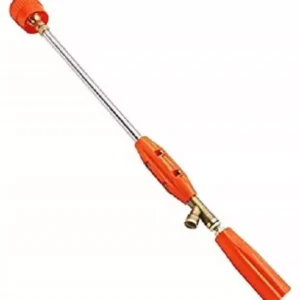
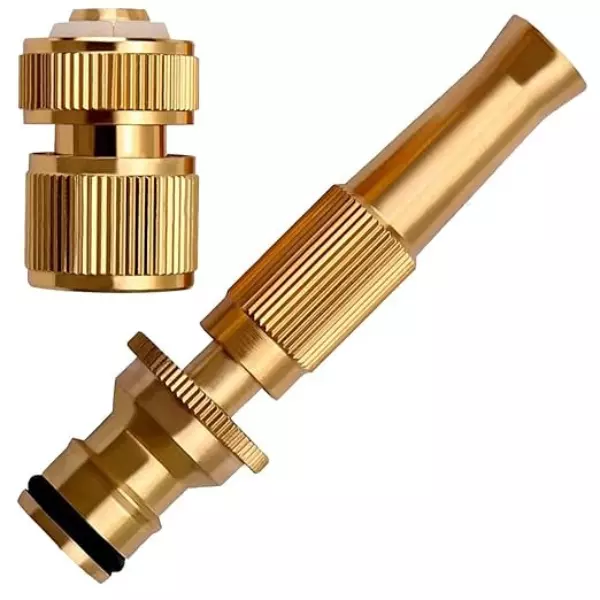
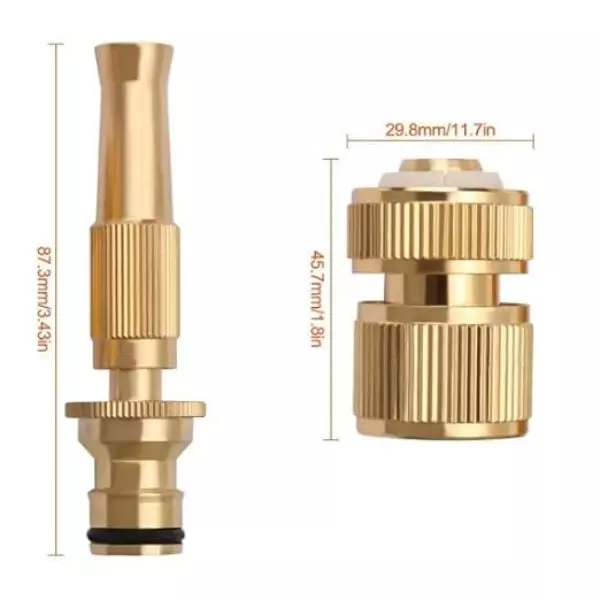
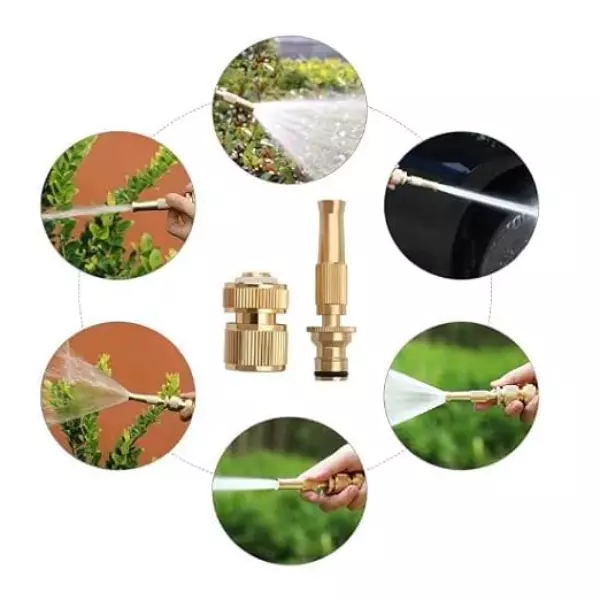
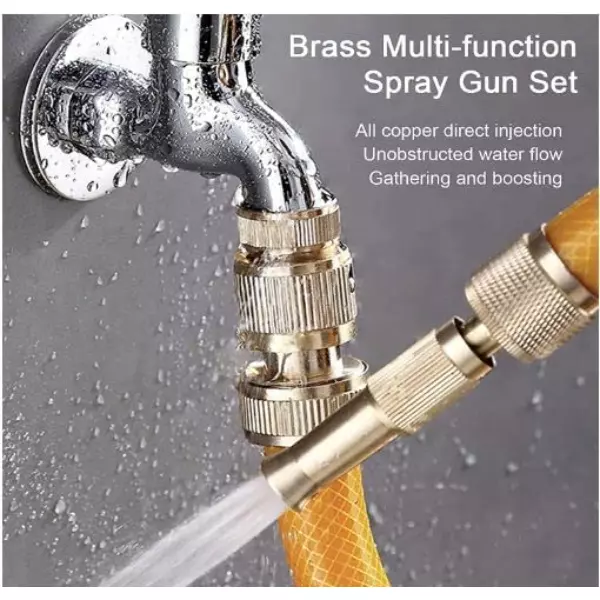
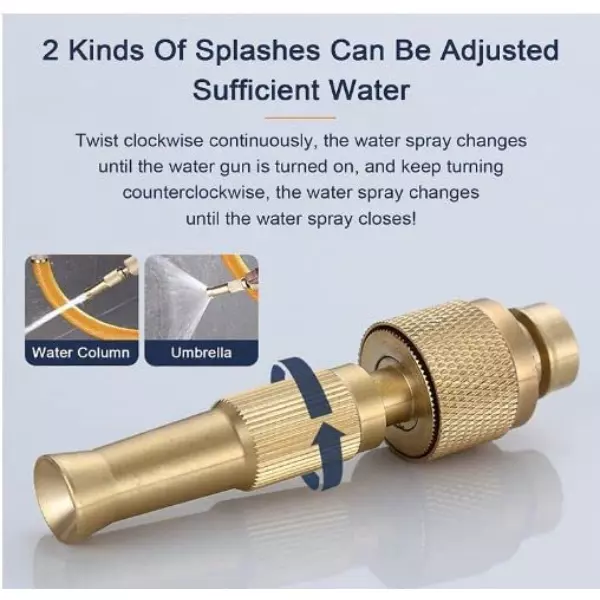
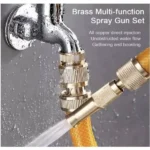
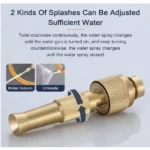
Cliquin Adjustable Leak Proof Brass Compression Water Spray Nozzle 1/2 inch is a device designed to emit a controlled stream or spray of water, commonly used for various applications such as fire protection, irrigation, cooling, and industrial processes. These nozzles play a crucial role in efficiently distributing water in a desired pattern and intensity.
In fire protection systems, water spray nozzles are a fundamental component for suppressing and extinguishing fires. They are strategically placed in buildings, industrial facilities, and other locations where fire risk is present. The design of the nozzle is crucial for achieving optimal firefighting performance. Various types of nozzles exist, including automatic and manual variants, each tailored to specific fire protection requirements.
In industrial settings, water spray nozzles are utilized for processes such as cooling, dust suppression, and chemical dispersion. For instance, in manufacturing facilities where machinery generates heat, these nozzles can be employed to cool equipment and prevent overheating. In dust control applications, nozzles disperse water to suppress airborne particles, enhancing air quality and safety in workplaces.
Irrigation systems also rely on water spray nozzles to deliver water to crops in an efficient and controlled manner. The nozzles are designed to produce a uniform spray pattern, ensuring that water is distributed evenly across the agricultural area. This promotes optimal plant growth and conserves water resources.
The functionality of a water spray nozzle is influenced by its design, which includes factors such as nozzle type, flow rate, spray pattern, and pressure. Nozzles may vary from simple designs for general purposes to specialized configurations for specific applications.
In summary, water spray nozzles are versatile devices with applications ranging from fire protection to industrial processes and agriculture. Their design and functionality are tailored to meet the specific requirements of each application, making them essential tools for effective water distribution and management.